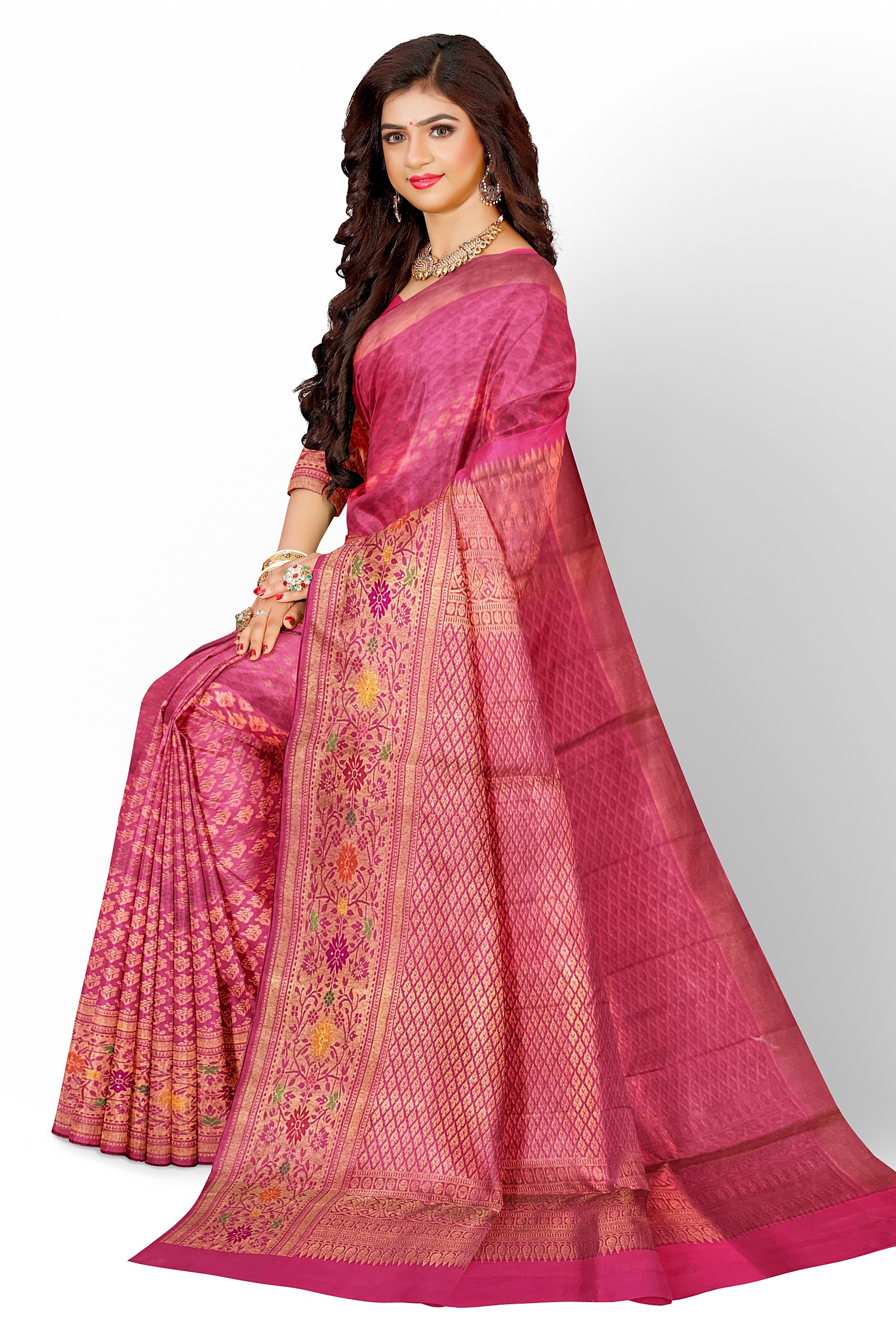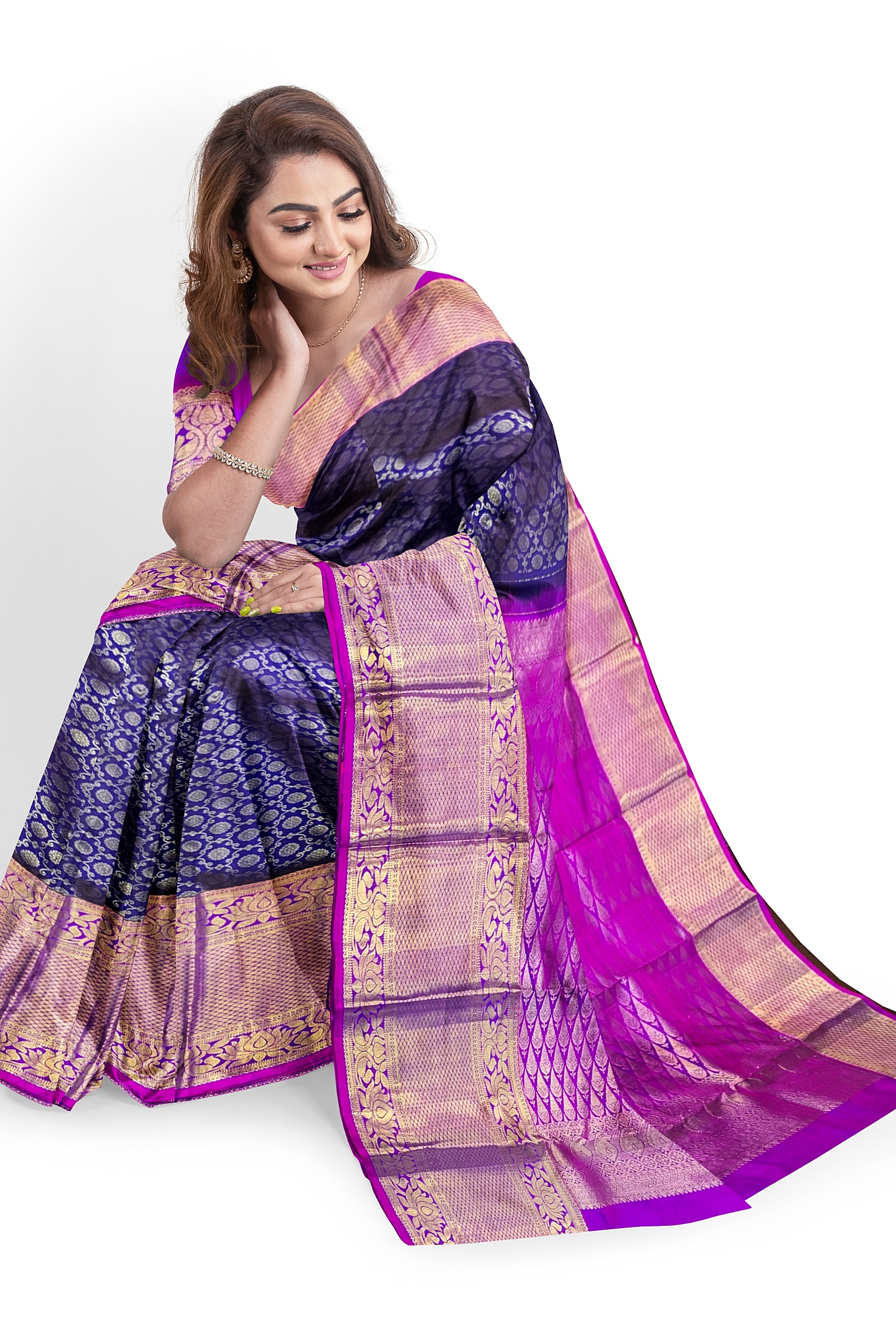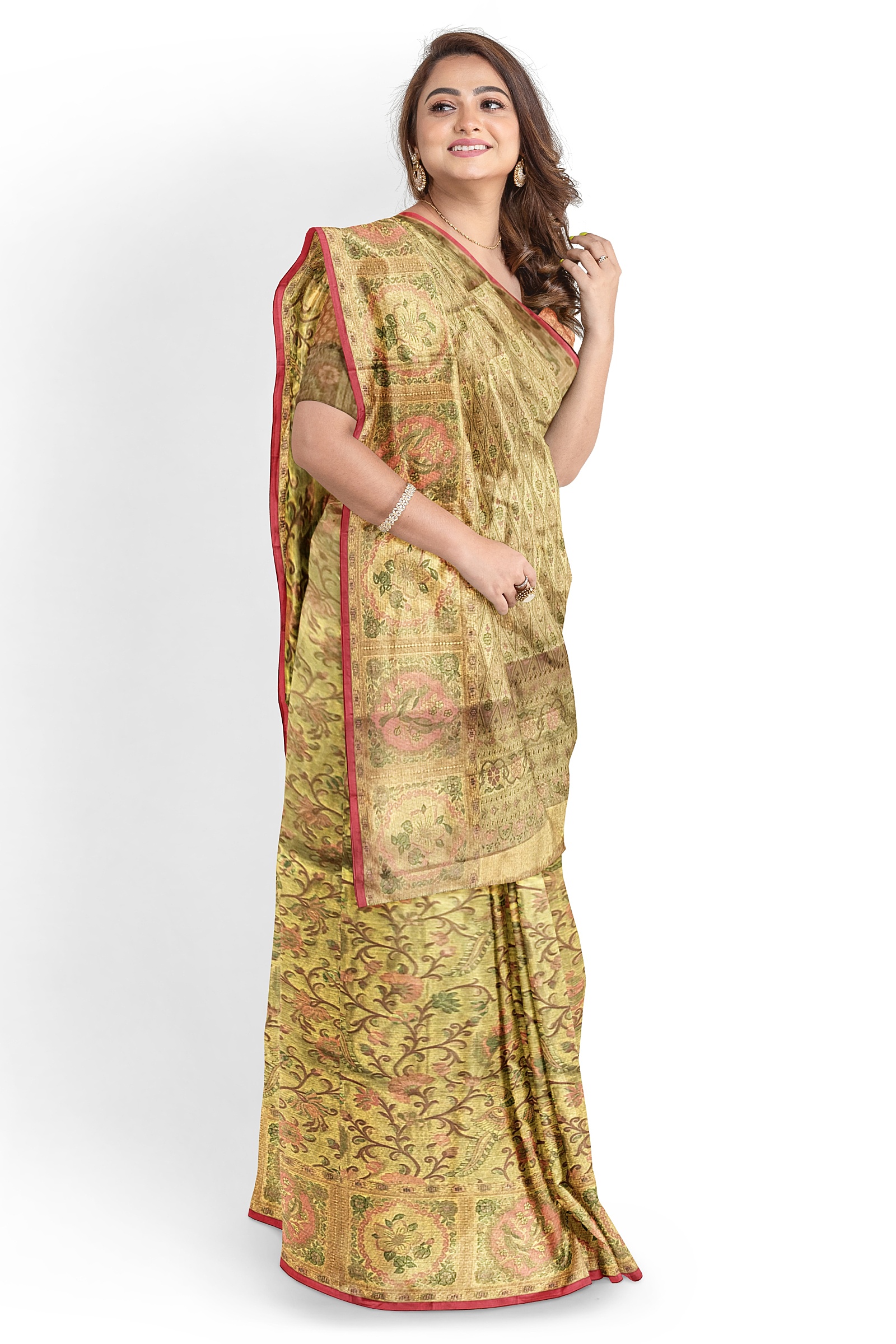
The opulent sheen of gold and silver zari in Kanjivaram, Banarasi, and Paithani sarees is what gives these garments their timeless grandeur. However, understanding the technical differences between **Pure Gold Zari**, **Tested Zari**, and **Imitation Zari** empowers saree connoisseurs to make informed purchasing decisions.
At SAAVIRA, we maintain complete transparency across all our handloom products. Read our Silk Mark Certification Guide to see our purity guarantees.
What is Real Pure Zari (Pure Zari)?
Pure zari is crafted through a meticulous, centuries-old wire-drawing process:
- **Red Silk Core**: A central core thread of pure Mulberry silk yarn is selected.
- **Pure Silver Wrapping**: Pure silver wire (92.5% silver purity) is flattened and tightly wound around the silk core yarn.
- **24k Gold Electroplating**: The silver-wrapped thread is gilded in a 24k pure gold electroplating bath to achieve rich, everlasting golden luster.
Pure zari sarees carry tangible intrinsic precious metal value and can be tested or melted down decades later.
What is Tested Zari?
Tested Zari replaces pure silver with high-grade copper or alloy core wire wrapped around silk yarn, followed by quality gold lacquering. It offers identical visual brilliance, exceptional durability, and corrosion resistance at a fraction of the cost of pure gold zari, making heavy bridal sarees accessible.
3 Easy Ways to Verify Pure Zari
- **The Burn Test**: When a tiny thread of pure zari core is burnt, the silk core burns with a distinct feather smell leaving soft ash, while silver wire melts into a tiny metallic bead.
- **The Scratch Test**: Gently scratching the reverse thread of pure zari reveals the bright white silver core underneath the gold plating.
- **Silk Mark Organization Certification**: Look for official hallmarking details provided with SAAVIRA silk sarees.