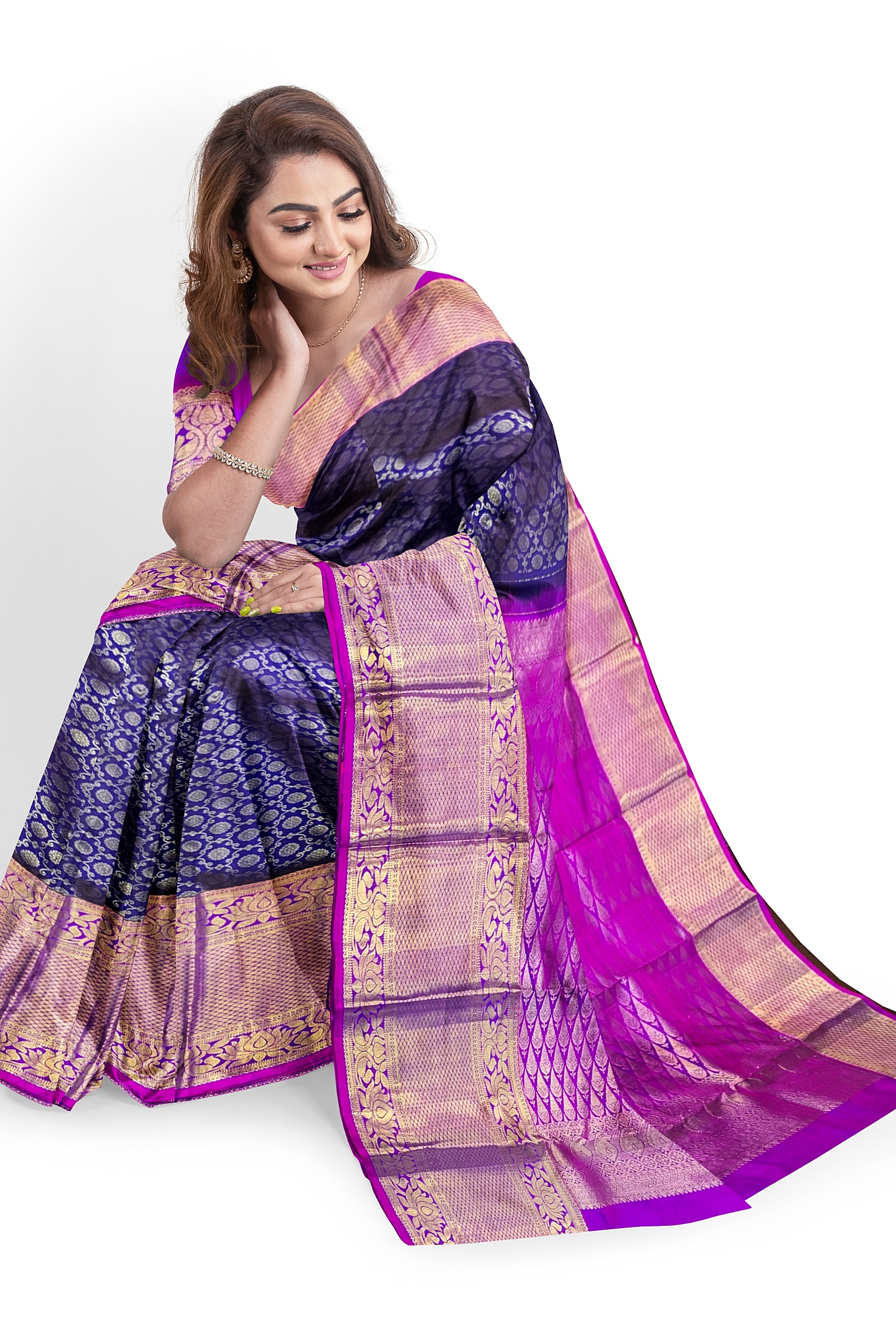
When it comes to Indian luxury silk sarees, two names reign supreme across generations: **Kanjivaram** from the temple town of Kanchipuram in South India, and **Banarasi** from the sacred ancient city of Varanasi in North India.
While both represent peak Indian handloom craftsmanship and hold prized positions in every bridal trousseau, their architectural construction, yarn density, motif symbolism, and draping feel are distinctly unique.
Explore our Kanjivaram Sarees Collection and Banarasi Silk Collection to compare authentic weaves.
1. Geographical Origin & Cultural Legacy
- **Kanjivaram Silk Sarees**: Woven for over 400 years by traditional weaving communities in Kanchipuram, Tamil Nadu. The designs draw deep inspiration from Dravidian temple sculpture, gopurams, mythological peacocks (Mayil), and rudraksha motifs.
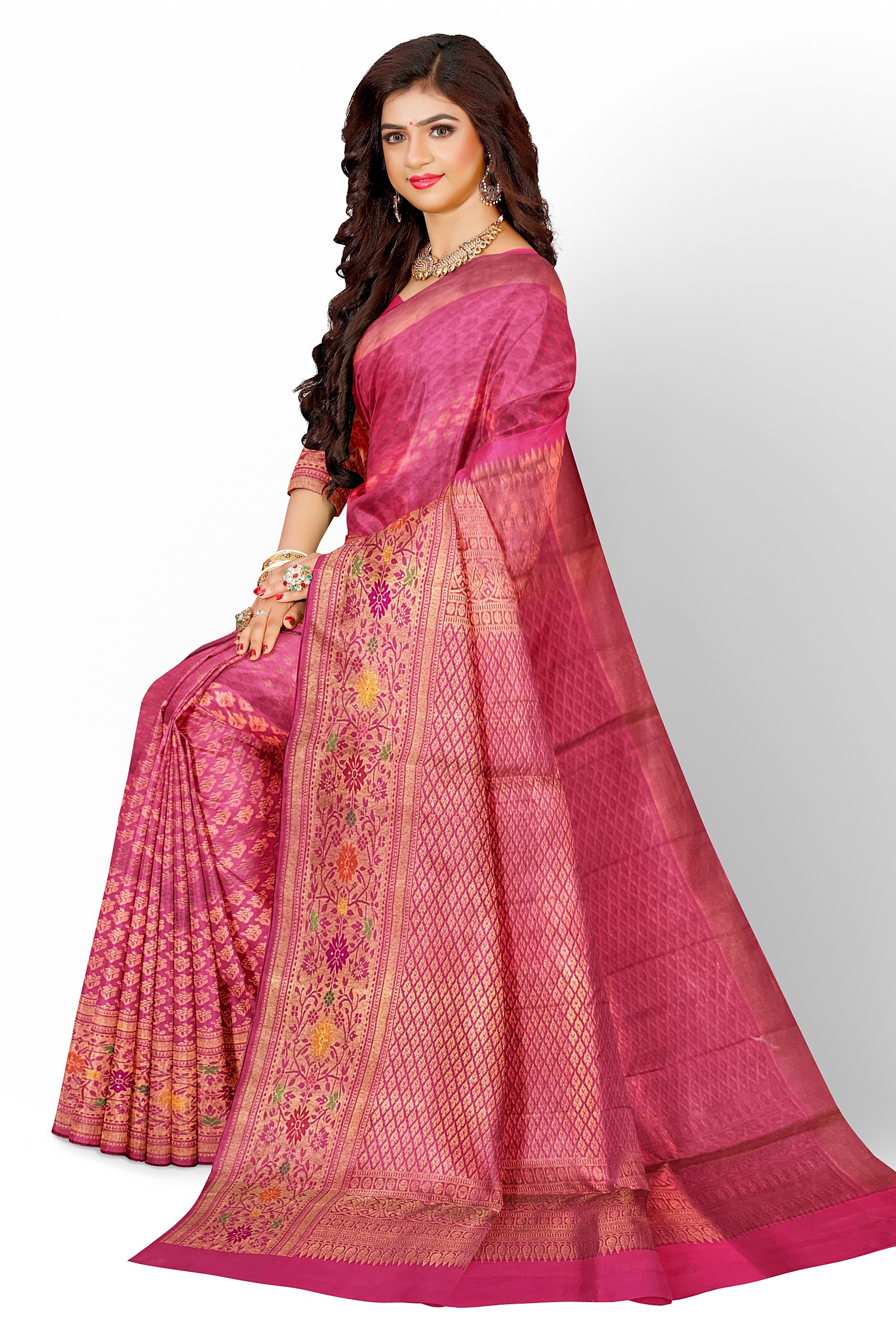
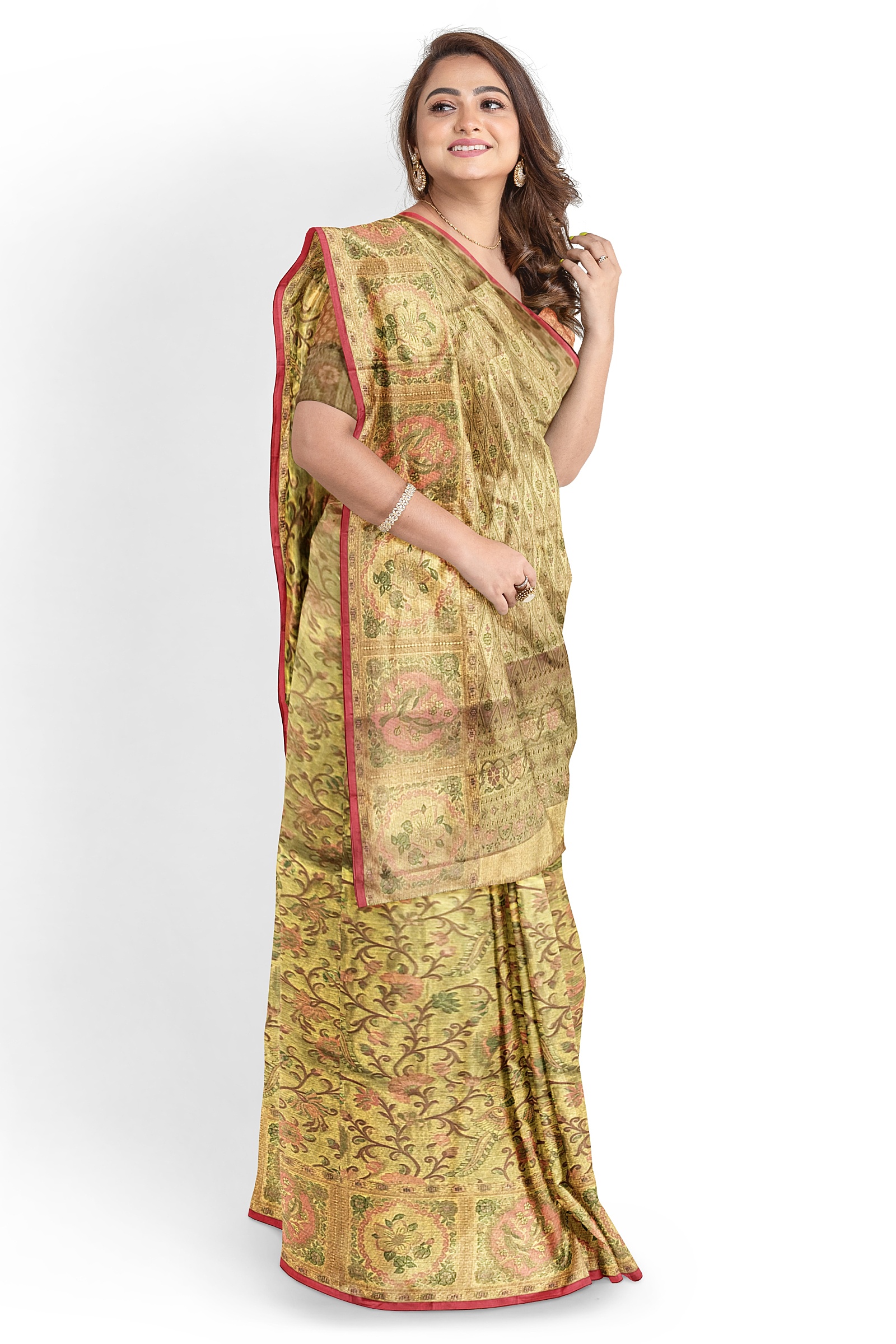
- **Banarasi Silk Sarees**: Rooted in ancient Varanasi (Kashi), Uttar Pradesh, with heavy Mughal artistic influences introduced during the 14th century. Famous for intricate floral vine brocades (Jaal), paisley (Kalka), and architectural arches (Meherab).
2. Weaving Technique & Construction Differences
- **The Korvai Interlocking (Kanjivaram)**: A Kanjivaram handloom saree features distinct border and body warp threads interlocked together using the ancient Korvai technique. This creates contrasting borders that are physically bound together on the loom.
- **The Kadwa & Cutwork Techniques (Banarasi)**: Banarasi weavers use the Kadwa (hand-brocaded motif) or Phekwa weave, where each zari motif is hand-spun individually into the silk ground fabric without loose floats on the reverse.
3. Silk Yarn Weight & Texture
- **3-Ply Mulberry Silk (Kanjivaram)**: Kanjivaram sarees use heavy 3-ply twisted mulberry silk thread. This gives the saree a crisp, firm drape, exceptional durablity, and camera-ready structured pleats.
- **Fine Fine-Count Katan & Organza Silk (Banarasi)**: Banarasi sarees often utilize soft Katan pure silk, Georgette, or Tissue silk base yarns. They feel remarkably fluid, supple, and wrap effortlessly around the silhouette.
Key Comparison Table: Kanjivaram vs Banarasi
| Feature | Kanjivaram Silk Saree | Banarasi Silk Saree | |---|---|---| | **Origin** | Kanchipuram, Tamil Nadu | Varanasi, Uttar Pradesh | | **Silk Thread** | Heavy 3-ply Mulberry Silk | Fine Katan Pure Silk / Tanchoi | | **Border Style** | Solid contrast Korvai interlocking | Metallic floral brocade border | | **Drape Feel** | Crisp, firm, structured pleats | Soft, flowing, fluid drape | | **Signature Motifs** | Temple gopuram, peacock, parrot, rudraksha | Paisley (Kalka), floral jaal, Shikargah | | **Ideal Occasion** | South Indian Muhurtham, Vedic rituals | Reception, Sangeet, North Indian Wedding |
Which Saree Should You Choose?
If you prefer structural regal pleats, high-contrast borders, and temple motifs for morning rituals, an **authentic Kanjivaram** is your ultimate choice. If you adore flowing metallic luster, delicate floral brocades, and lightweight glamour for evening celebrations, a **Banarasi silk saree** will captivate your wardrobe.
Visit SAAVIRA's Silk Mark Certification Guide to learn how both weaves are certified 100% pure.