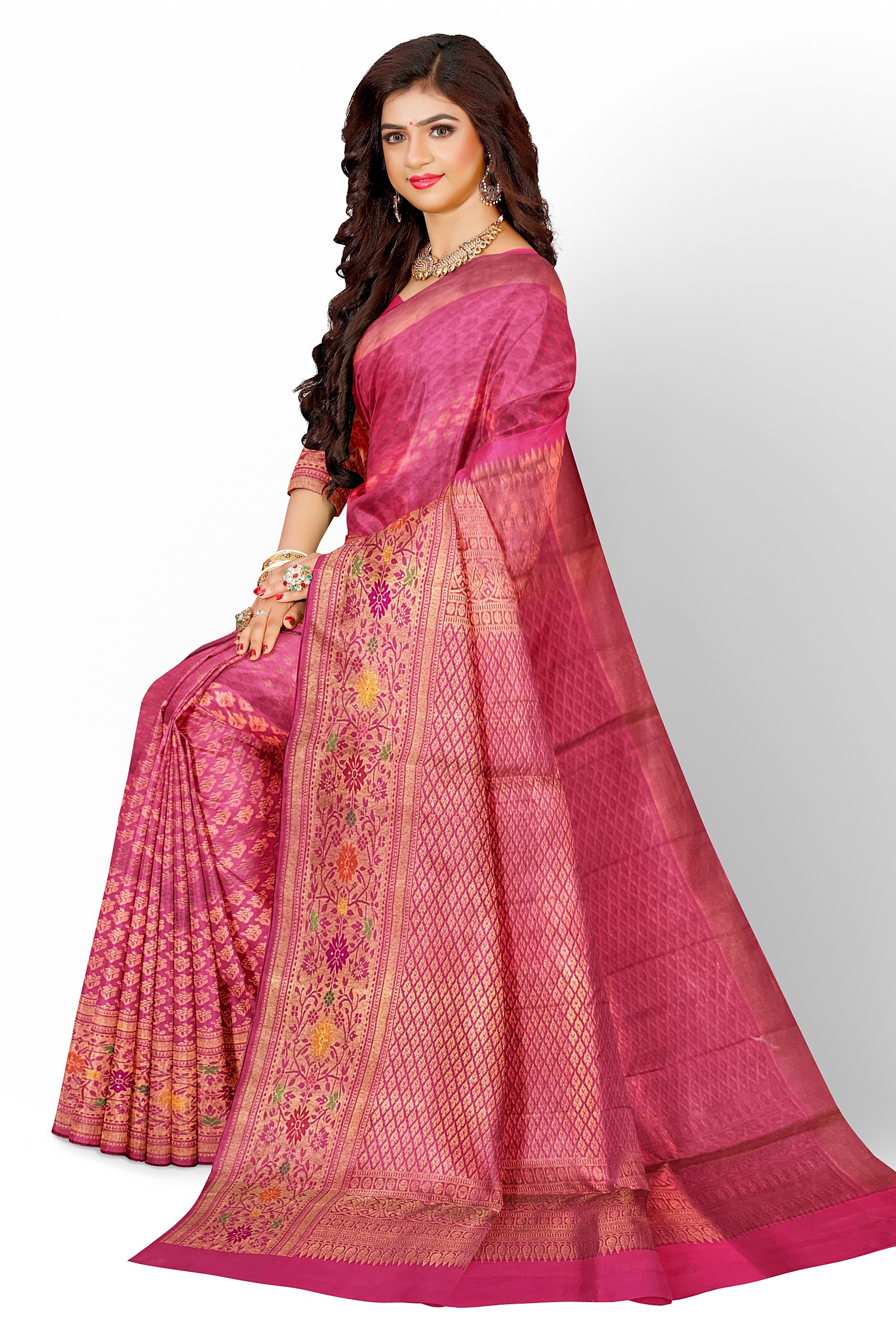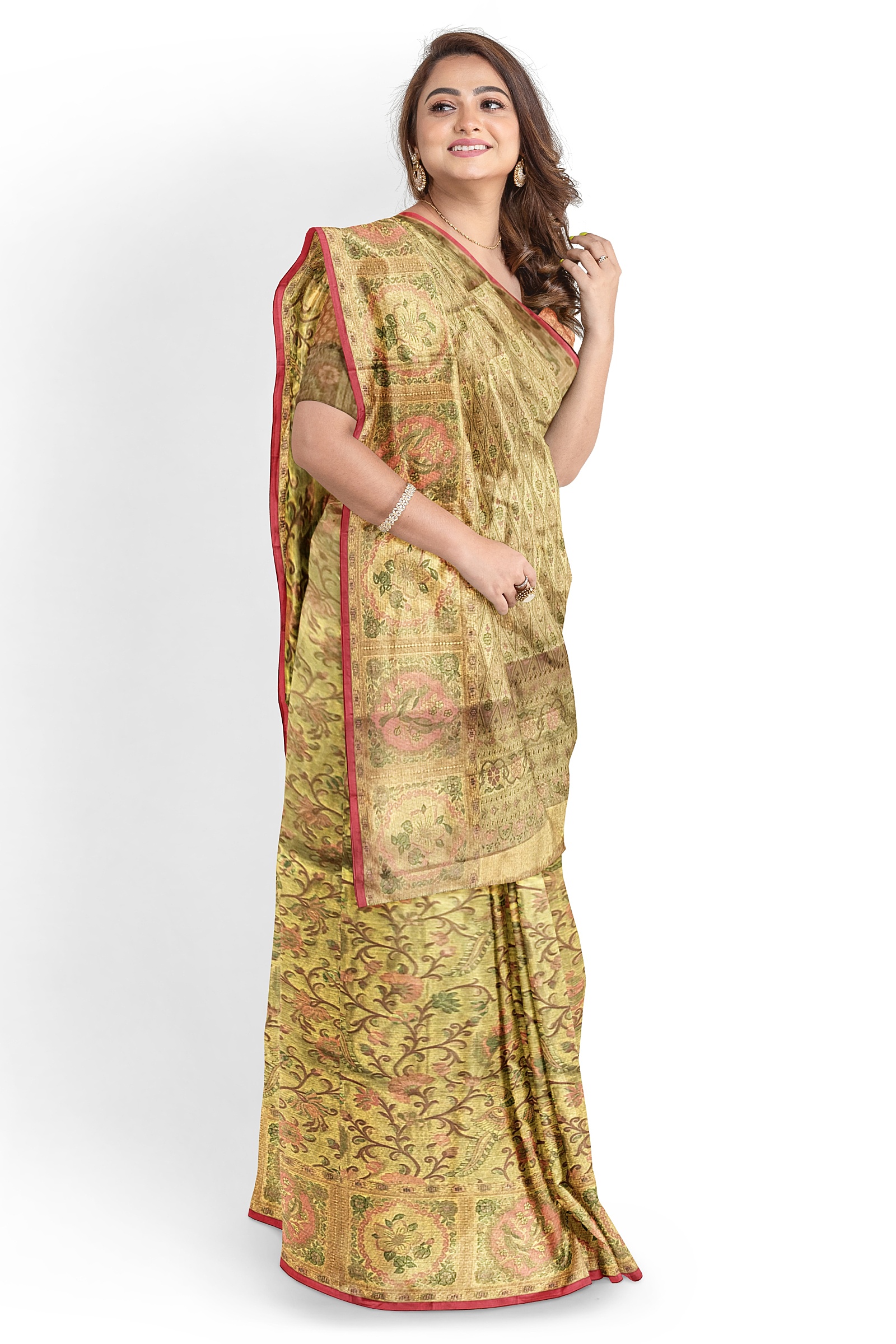
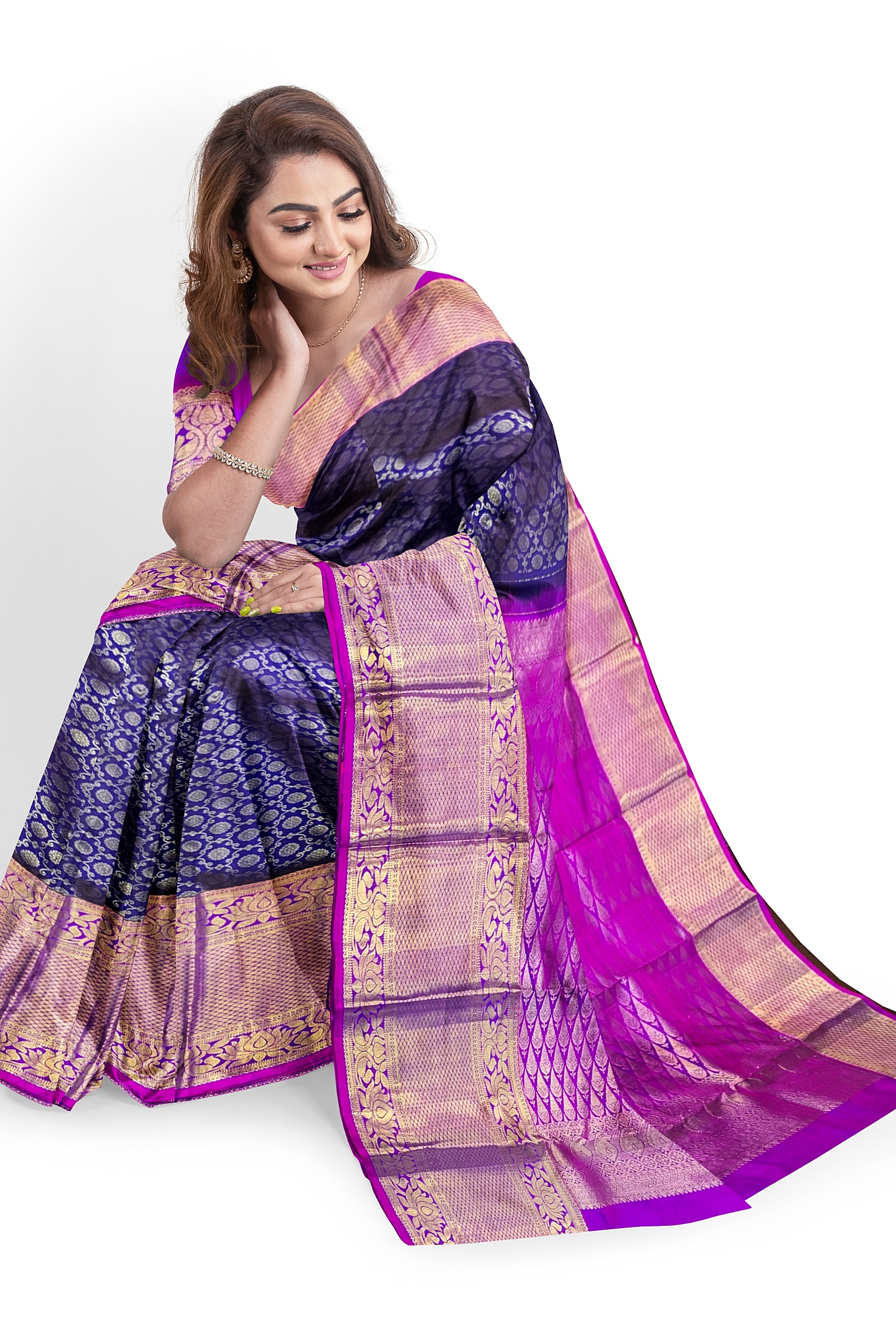
The story of Indian handlooms spans over five millennia, dating back to the Indus Valley Civilization where woven cotton and silk fragments were first discovered. Over centuries, weaving evolved from a domestic craft into an architectural art form nurtured by royal dynasties, temple trusts, and master weaving guilds.
Learn more about SAAVIRA's story and artisan mission on our About Us Page.
1. Royal Patronage of Indian Silk Weaving
- **The Chola & Pallava Dynasties**: South Indian kings endowed master weavers with land and privileges in Kanchipuram to create divine garments for temple idols and royal ceremonies.
- **Mughal Imperial Workshops (Karkhanas)**: Emperor Akbar and Shah Jahan patronized Varanasi weavers, blending Persian floral vines, zari wirework, and delicate brocades into Banarasi Katans.
2. The Cultural Symbolism of Handloom Motifs
Every motif hand-woven into a SAAVIRA saree tells a story:
- **Mayil (Peacock)**: Symbolizes grace, royalty, and celestial beauty.
- **Rudraksha**: Represents divine protection and sacred spiritual energy.
- **Gopuram**: Echoes the grand architectural towers of South Indian temples.
- **Kalka (Paisley)**: Represents the tree of life and fertility.
3. Empowering Weaver Communities Today
Handloom weaving is the second-largest employer in rural India after agriculture. By choosing authentic handlooms from SAAVIRA, you directly support generational artisan families, preserve centuries-old handloom techniques, and promote sustainable eco-friendly fashion.